Reaping What We Sow (Batini 2019)
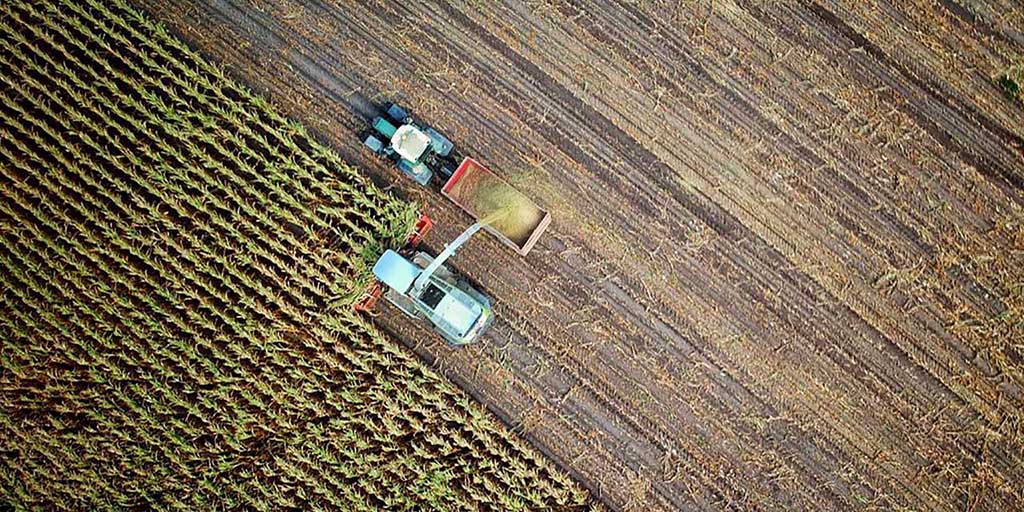
The agri-food sector now creates a quarter of human-produced greenhouse gas emissions—a share expected to increase to a half of all such emissions by 2050. As the global population grows

The agri-food sector now creates a quarter of human-produced greenhouse gas emissions—a share expected to increase to a half of all such emissions by 2050. As the global population grows
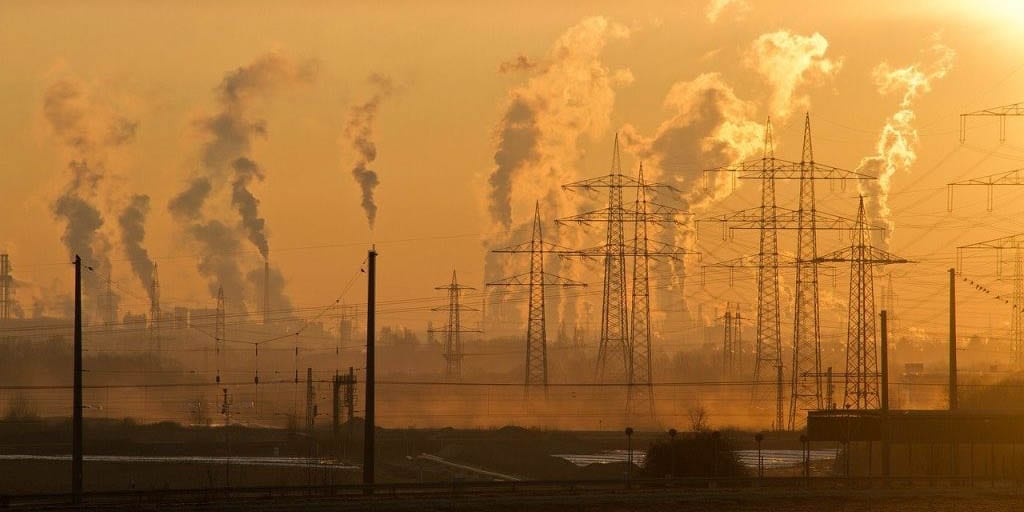
In this new article, Ian Parry from the IMF’s Fiscal Affairs Department argues for putting a price on carbon, for achieving Paris Agreement Commitment. His proposition rests on four crucial
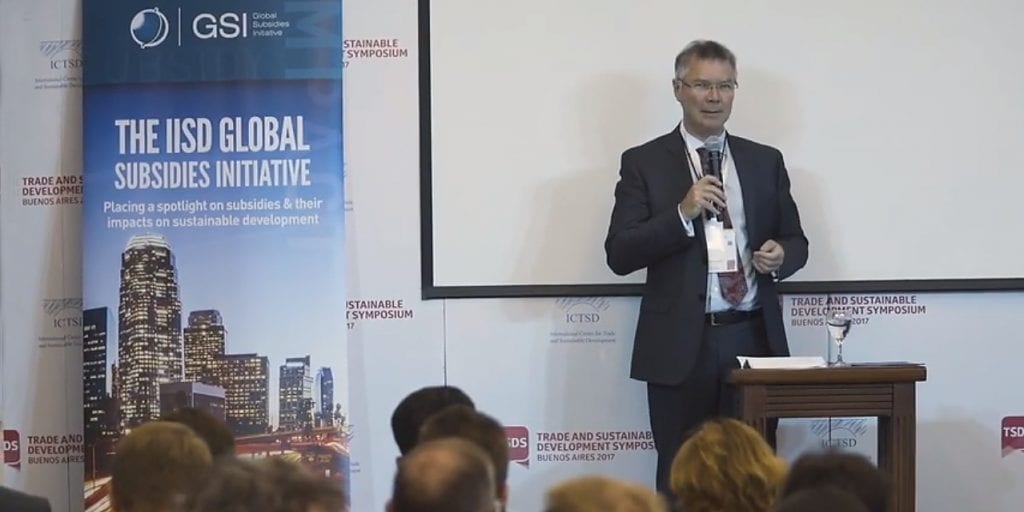
New Zealand’s Ministry of Foreign Affairs and Trade launched a video on the “cheapest thing the world could do to reduce climate-change emissions” – phasing out fossil fuel subsidies. David

28 November 2019: Ahead of the UN COP25 Climate Change Conference in Madrid, the European Parliament approved a resolution declaring a climate and environmental emergency in Europe and globally. Specifically,

27 November 2019: The simple fact that the popular uprising in Chile was triggered by a fare increase for probably one of the “greenest” metros in the world shines the
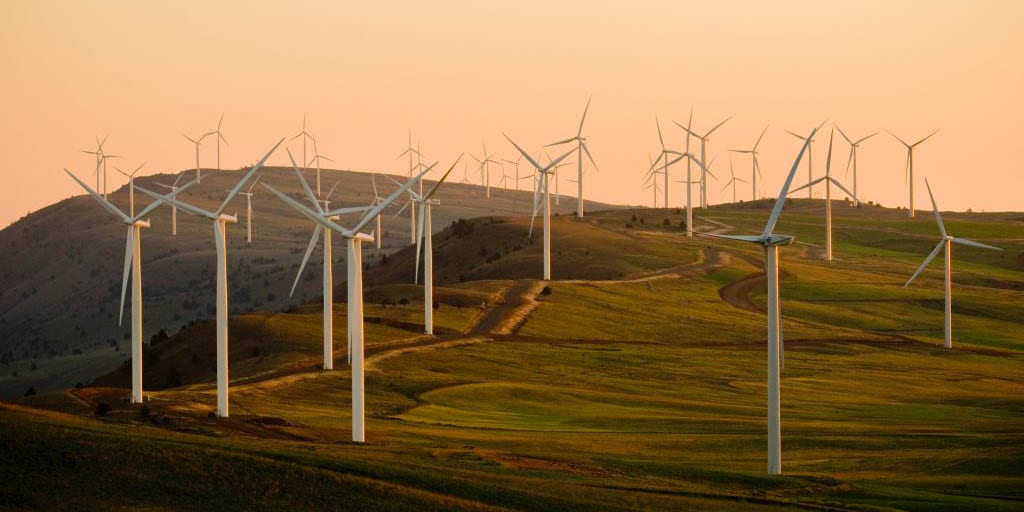
25 November 2019: A new article by the World Resources Institute outlines 12 reasons why climate action is positive for the U.S. economy on the whole. In terms of fiscal
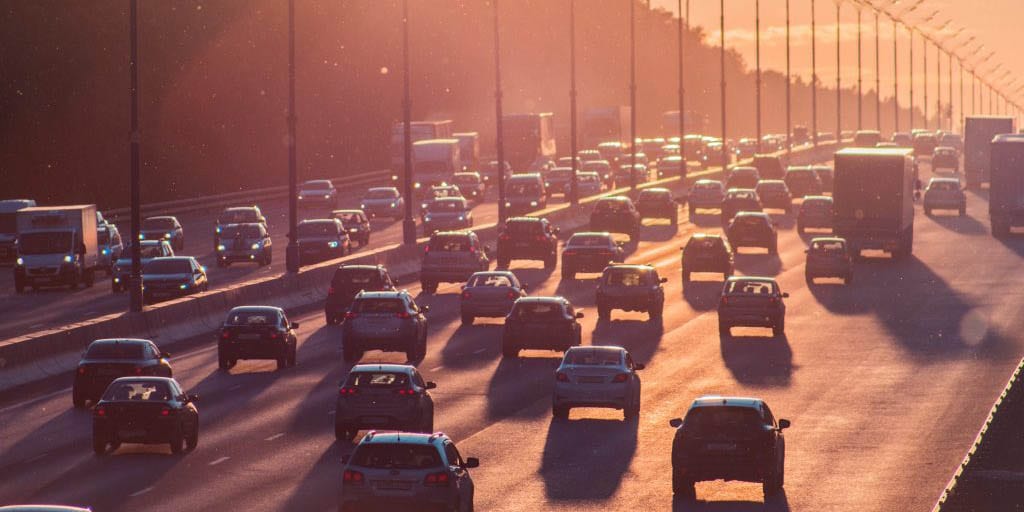
21 November 2019: A new blog by the Canadian Ecofiscal Commission explores options for reducing traffic congestion. It concludes that the best policy mechanism would be adopting a polluter-pay principle
The electricity consumer is critical to the success of decarbonization. Yet, the economic signals that consumers receive in many countries are likely to discourage efficient decisions and could slow decarbonization

11 November 2019: In a joint statement, the Ministers of Finance of the Netherlands, Germany, France, Sweden, Italy, Belgium, Luxembourg, Denmark and Bulgaria asked the European Commission to introduce a

13 November 2019: A proposed bill called the Energy Innovation and Carbon Dividend Act (EICDA), could see the U.S. government charge companies for every ton of greenhouse gas they emit