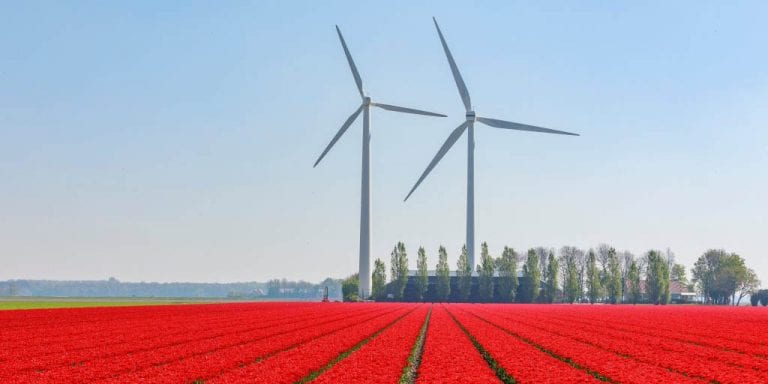
The coronavirus pandemic could derail renewable energy’s progress. Governments can help. (IEA commentary)
Heymi Bahar, Senior analyst for Renewable Energy Markets and Policy at the International Energy Agency, comments on the impacts of the Covid-19 related economic shock and its impacts on the

Energy efficiency and economic stimulus (IEA)
The health of citizens is the first priority for governments responding to the COVID‑19 pandemic, but the need to limit the economic impacts of the crisis is also of great

Mining Tax Policy Responses to COVID-19 (IGF)
Efforts to contain the COVID-19 virus and support those directly impacted are of utmost importance. Around the world, governments are taking unprecedented actions to limit the spread of the virus—adopting

The zero draft of the post-2020 Global Biodiversity Framework includes language on fiscal reform
The ‘Open-ended Working Group on the Post-2020 Global Biodiversity Framework’ came out with a zero draft that will be used as the basis for discussions in the XV Conference of

The WTO talks on fisheries subsidies resume with pressure on marine resources and economic inequity on the line
15 January 2020: The World Trade Organization resumed talks on fishing subsidies last week. Globally, governments spend an estimated US$35 billion a year on fishing subsidies. About 63% of such

Understanding environmental fiscality FR (European Parliament 2020)
In a new briefing, the EU parliament lists environmental fiscal policy as one of the most effective instruments for a transition to a decarbonized future; but it also reminds its
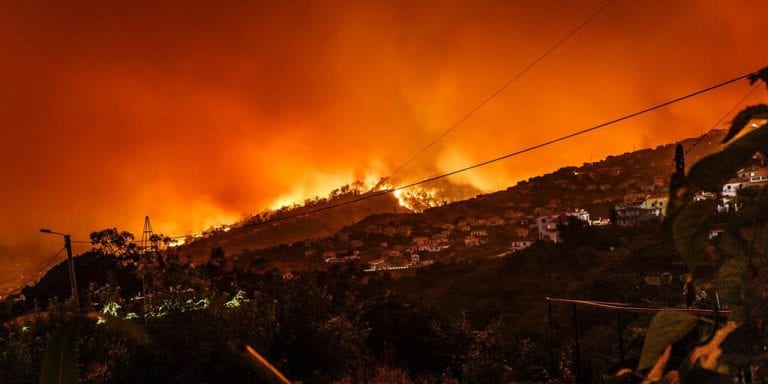
Australia’s bushfires to cost the Government billions, but are there funding alternatives?
On Monday, Australia’s prime minister Morrison announced the creation of a National Bushfire Recovery Agency, initially funded to the tune of USD 1.4 billion over a two-year period. However, the

Advancing Sustainable Development by Facilitating Sustainable FDI, Promoting CSR, Designating Recognized Sustainable Investors, and Giving Home Countries a Role (Sauvant and Gabor 2019)
In their recent paper Sauvant and Gabor focus on how countries can increase levels of FDI geared toward projects likely to contribute as much as possible to sustainable development. The

Ensuring a “Just Transition”: 5 Priorities to Make Climate Action Benefit Low-Income and Disadvantaged Groups
In an attempt to ensure decision-makers prevent regressive impacts of climate action and reduce existing inequality, Bouye, Grinspan and Tankou of the World Resources Institute outline 5 priorities in achieving