
It’s time to rethink personal carbon allowances, research suggests
It might be tricky and some might not like it, but a PCA could lower emissions.

It might be tricky and some might not like it, but a PCA could lower emissions.

A new book argues that it’s not only possible to measure the human, social, and environmental impacts of food from production to consumption—it’s essential.
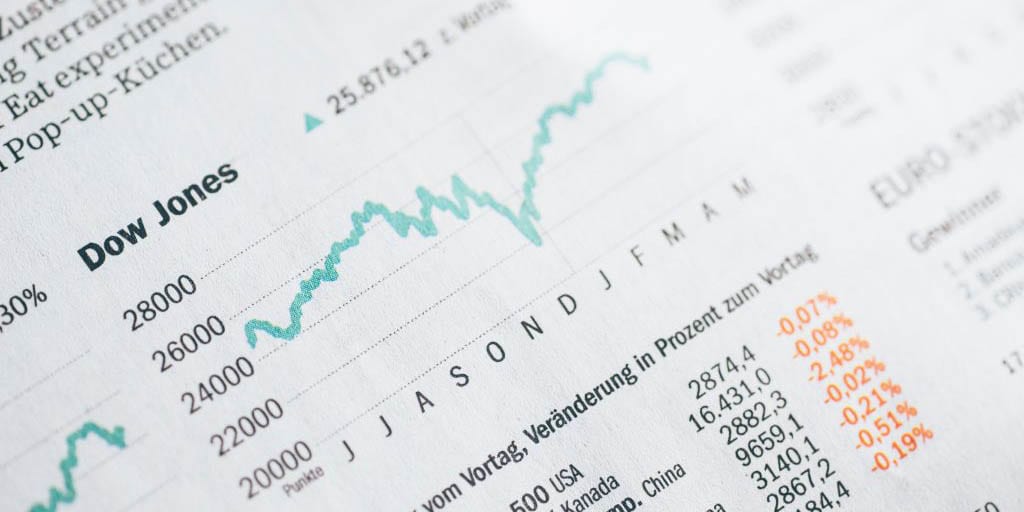
Concluding his three-day India visit on Wednesday, COP26 president Alok Sharma said that he has requested the Indian government to consider raising ambitions in emission reduction targets and reiterated that a delivery plan on finance for developing countries is being put in place ahead of the conference in Glasgow later this year.

The government hopes to attract at least £4bn of investment to the hydrogen economy by 2030 under plans to produce the equivalent of enough hydrogen to replace fossil fuel gas for heating and cooking in about 3m households in the UK.

Denmark and Costa Rica are trying to forge an alliance of countries willing to fix a date to phase out oil and gas production and to stop giving permits for new exploration, government ministers said and documents showed.

Moving government support for environmentally damaging industries into green sectors like recycling and sustainable forest management could boost employment, report finds.
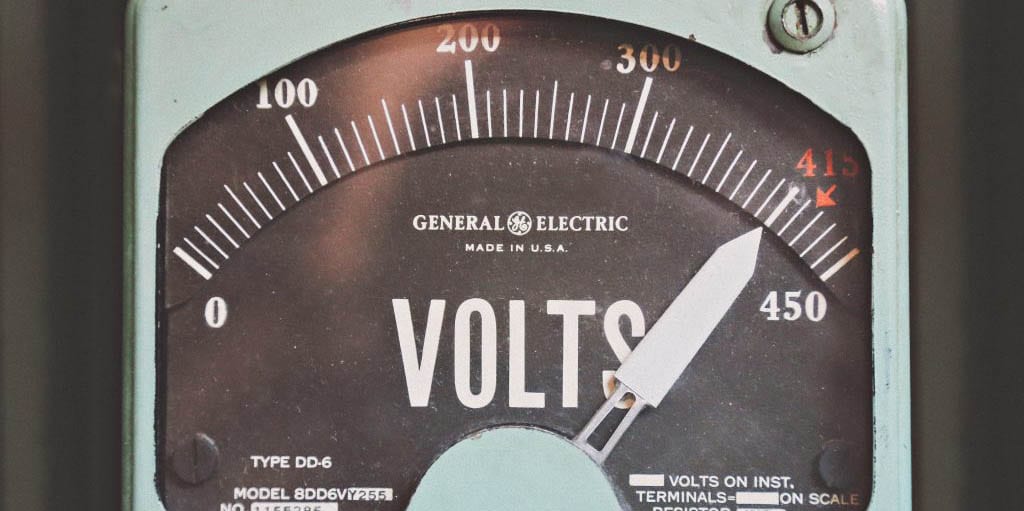
Renewables and nuclear power accounted for a record 66% of electricity production across the EU during the first half of 2021, with clean energy proving far more resilient to the pandemic than fossil fuels.
Raising taxes during an economic downturn might seem counterintuitive but it could be the key to Covid-19 recovery. The secret lies in which taxes to raise: when it comes to impacts on the economy, jobs, and the environment, not all taxes are created equal.

Emirates NBD is providing 2 billion Egyptian pounds (over $127.35 million) of financing for the construction of a new agricultural wastewater treatment plant in Upper Egypt. Called Al – Hamam, the facility will have a treatment capacity of 6 million m3 per day.

From 2023 to 2028, a carbon tax will be applied, at slowly increasing levels, to coal, liquified petroleum gas, fuel oil, petcoke and gas, in a move expected to cover about 80 percent of Israel’s greenhouse gas emissions.