IMF urges countries to raise carbon price floor ahead of Cop26
Global lender’s head Kristalina Georgieva calls on countries to step up their $100bn climate finance pledges.

Global lender’s head Kristalina Georgieva calls on countries to step up their $100bn climate finance pledges.
China has proposed the world’s largest carbon emissions trading scheme (ETS). As the country has pledged to reach net zero emissions by 2060, this article explores the merits of the current scheme.

Fossil fuel and mining companies would contribute billions toward conservation programs under a new proposal in the United States Congress.
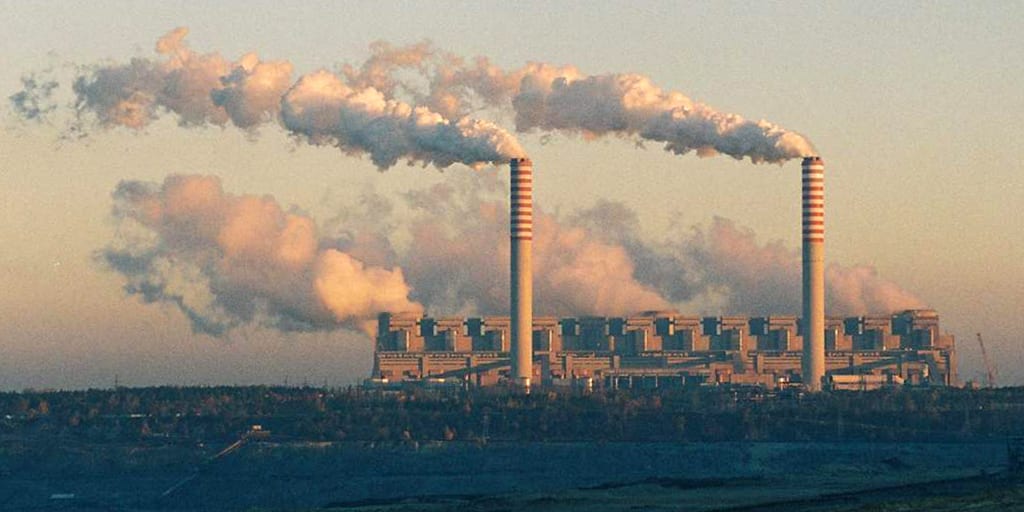
The measure, if approved, will force EU businesses to pay a carbon levy for goods they import from outside the bloc. The problem is that some nations might not want to go down the carbon neutrality route as fast as the EU.

Environmental taxes on the aviation sector could contribute 1.5 billion euros to the State budget of Belgium.

It might be tricky and some might not like it, but a PCA could lower emissions.
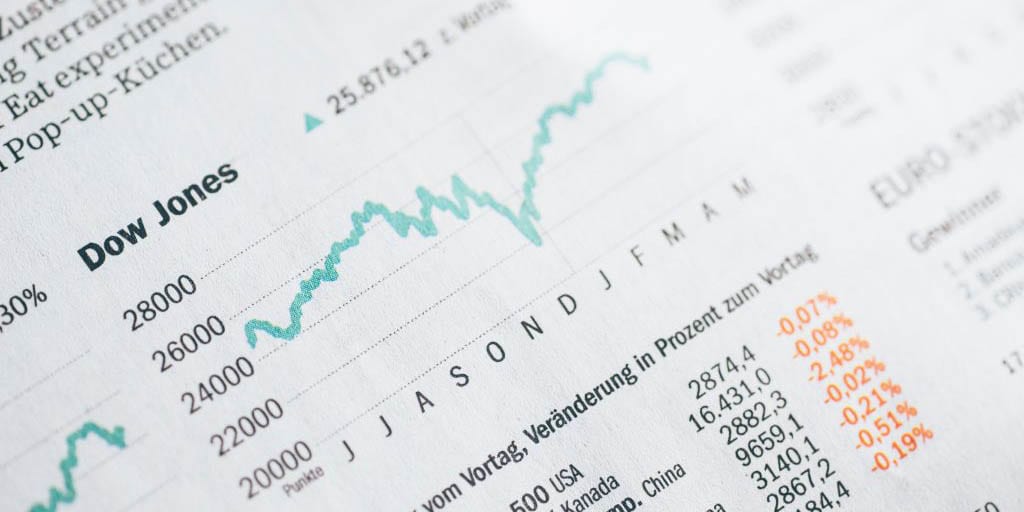
Raising taxes during an economic downturn might seem counterintuitive but it could be the key to Covid-19 recovery. The secret lies in which taxes to raise: when it comes to impacts on the economy, jobs, and the environment, not all taxes are created equal.

From 2023 to 2028, a carbon tax will be applied, at slowly increasing levels, to coal, liquified petroleum gas, fuel oil, petcoke and gas, in a move expected to cover about 80 percent of Israel’s greenhouse gas emissions.
South Africa’s carbon tax laws are set to change with the international frameworks it aligns to, as reflected in the latest amendment to the carbon offset regulations.
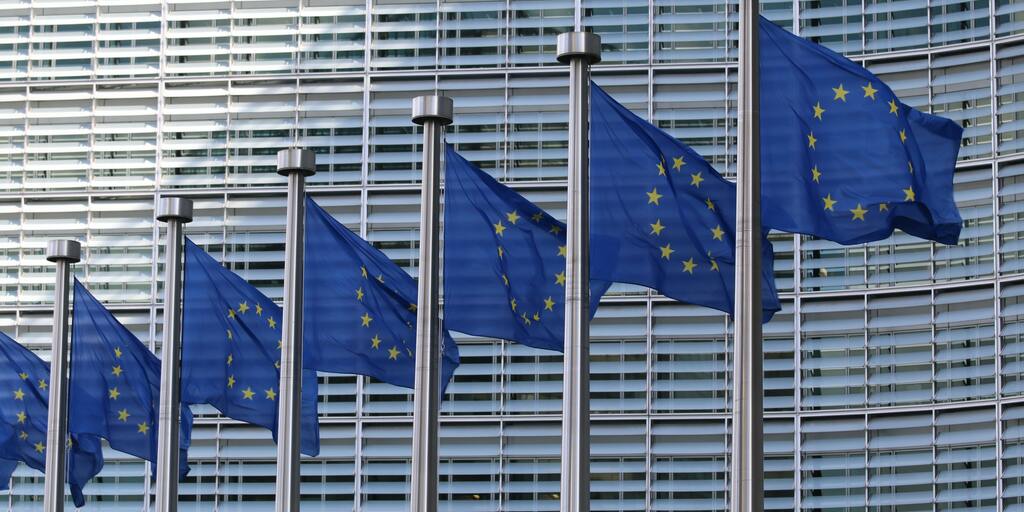
protect the EU’s domestic industry from carbon leakage, when goods that would normally be bought locally are instead imported from companies that don’t face the same emissions regulations. The United States and Japan have voiced concerns about the planned tax.