
Monitoring the Climate Impact of Fiscal Policy – Lessons from Tracking the COVID-19 Response (IMF)
This paper takes stock of the contributions made by these various trackers, identifies strengths and weaknesses of their methodologies, and draws lessons for assessing the climate impact of fiscal policy going forward. It finds that: trackers provided useful assessments of the (generally low) level of greenness and raised awareness; trackers’ methodologies, while valid and innovative, varied significantly with some important, if currently largely unavoidable, weaknesses; and the way forward should involve tracking the greenness of entire government budgets, rather than just their response to the COVID-19 crisis.

Biodiversity, Natural Capital and the Economy: A Policy Guide for Finance, Economic and Environment Ministers (OECD)
This report provides the latest findings and policy guidance for G7 and other countries in four key areas: measuring and mainstreaming biodiversity; aligning budgetary and fiscal policy with biodiversity; embedding biodiversity in the financial sector; and improving biodiversity outcomes linked to international trade.

Carbon pricing insights from Vietnam (ANU Zero-Carbon Energy for the Asia-Pacific Project)
Reducing greenhouse gas emissions is a matter of national interest for Vietnam, one of the most vulnerable countries to global climate change. Serious local air pollution, particularly in large cities, has also increased the case for effective emission reduction policies.

Fiscal Policy and Climate Change: Recent Experiences of Finance Ministries in Latin America and the Caribbean
This publication presents recent experiences of finance ministries in the Latin American and Caribbean region in three crucial areas of intervention where climate change issues and the responsibilities of these ministries merge. In addition, it presents key elements for designing fiscal policies that contribute to sustainable growth.

A multi-billion-dollar opportunity – Repurposing agricultural support to transform food systems (UNEP, FAO, UNDP)
Public support mechanisms for agriculture in many cases hinder the transformation towards healthier, more sustainable, equitable, and efficient food systems, thus actively steering us away from meeting the Sustainable Development Goals and targets of the Paris Agreement.
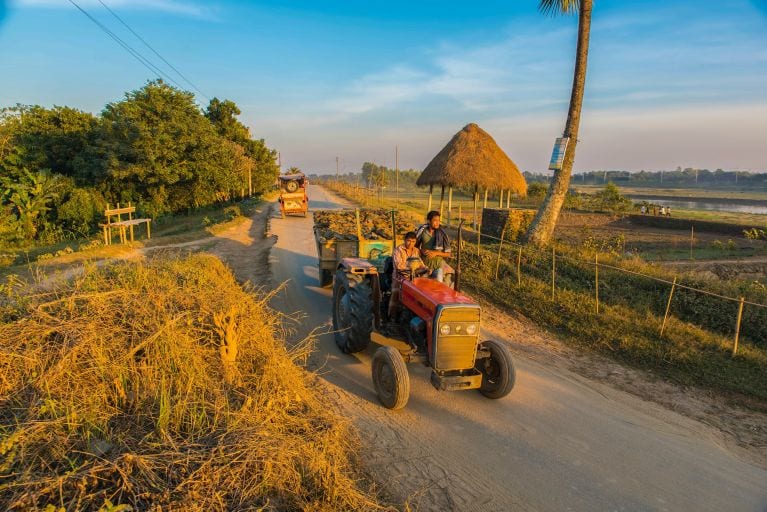
Repurposing Agricultural Subsidies to Restore Degraded Farmland and Grow Rural Prosperity (WRI)
This report highlights why governments should reinvest underperforming public agricultural subsidies in land restoration.