

Agriculture Subsidies for Better Outcomes: Options For Zimbabwe (World Bank)
Zimbabwe has a long history of providing subsidies to farmers. The policies that have defined these subsidies have changed over time and led periodically to significant and unsustainable pressure on
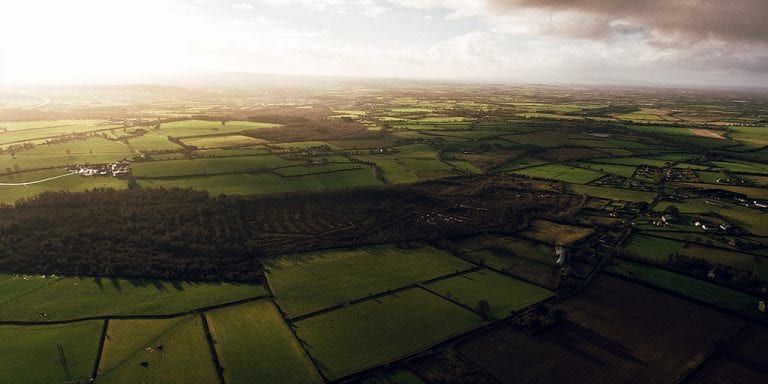
Government policies providing more than USD 500 billion to farmers every year distort markets, stifle innovation and harm the environment (OECD)
The latest edition of the OECD’s annual Agricultural Policy Monitoring and Evaluation report shows that the support policies implemented by the 54 countries studied – all OECD and EU countries,

Addressing the social consequences of tariffs for water supply and sanitation (OECD)
Where they exist, tariffs for water supply and sanitation services face a tension between different policy objectives, such as ensuring the financial sustainability of service provision and ensuring access to

Emissions trading with transaction costs (LSE / Grantham Institute)
While the prevalence of transaction costs in past and existing emissions trading schemes is a well-documented fact, the related theoretical literature has to a large extent ignored this practical issue

The fiscal implications of the low-carbon transition (OECD)
Fossil fuels play an important role in the budget of several governments. On the one hand, half of the countries identified as resource-rich derived 50% or more of their government

Taxing vehicles, fuels, and road use (OECD)
This paper discusses the main external costs related to road transport and the design of taxes to manage them. It provides an overview of evolving tax practice in the European